
By Jennifer Elizabeth Masters
What Can You Do?
Cognitive Therapy has been shown to work at least as well if not better than anti-depressants as it treats the root cause, rather than providing a band-aid that masks symptoms. The work I do with clients uses Cognitive Therapy in combination with energy clearing to lift the root cause or pattern, shift low-self-esteem and support you in feeling better about yourself and your life. The combination has remedied those with severe depression as well as those with suicidal tendencies.
Testimonial About A Suicidal Client Cured!
Are you ready to find happiness and love? Are you certain that your life can be better, happier and more fulfilling but you don't know how to get out of your way?

E-mail Jennifer for a private discovery session to find out if her work is a good fit for you. Jennifer works with women to build confidence, healthy boundaries, self-esteem and step into their innate power.
 Everyone experiences sadness from time-to-time. Depression is very different than sadness as it is more severe, usually accompanied by low self-esteem, loss of interest in activities that would normally be enjoyable, low energy and pain for no reason. Depression is characterized by dark or low moods for more than two weeks. Depression affects home, family, work and social functioning.
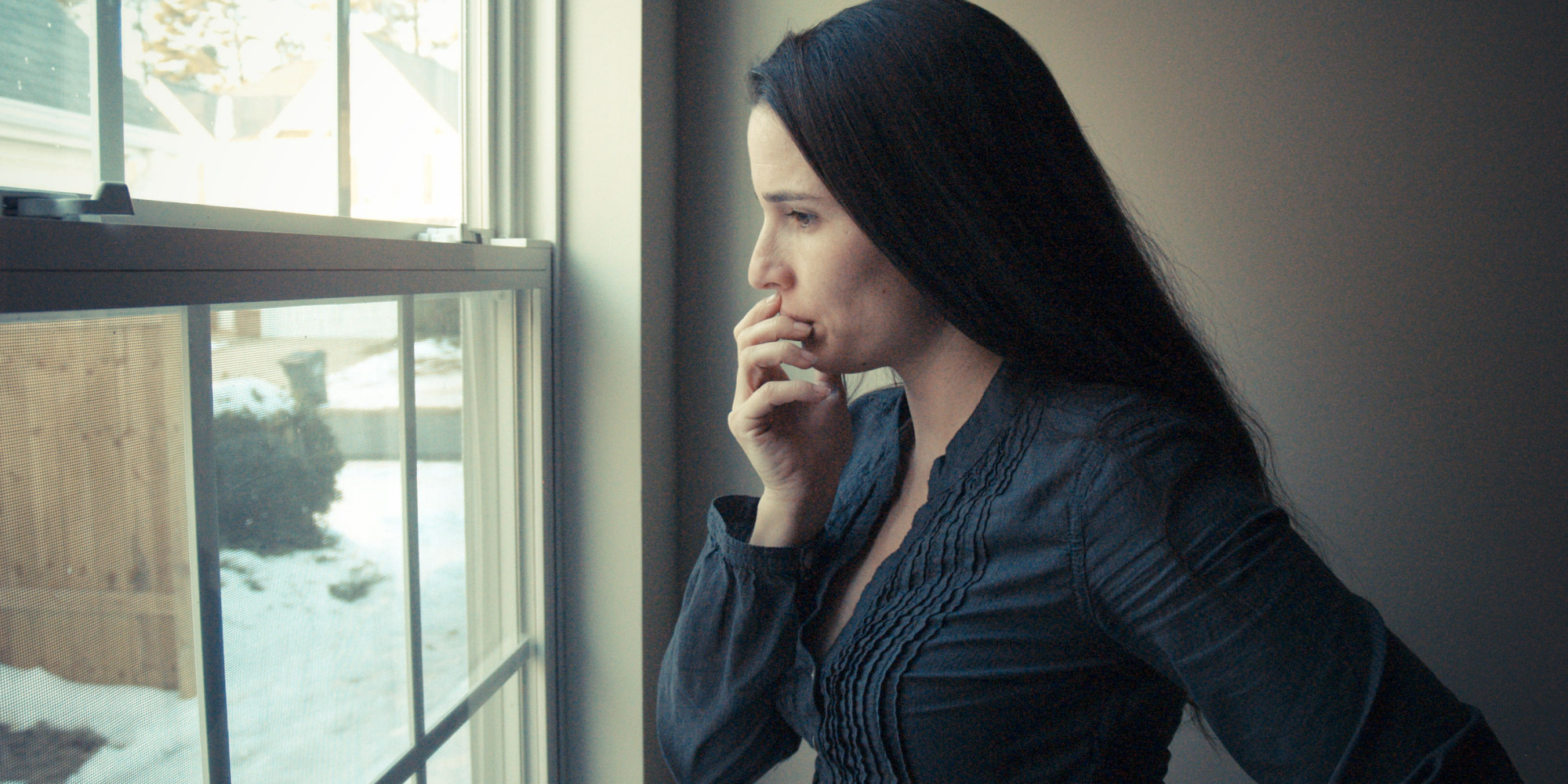
Women experience depression twice as often as men.
Many of us experience depression and are unaware of why we feel so bad. I experienced chronic depression for over twenty years without being diagnosed. My mother pooh-poohed that I was depressed because I functioned, though not very effectively in my life. I was irritable, reactive and even aggressive with others. I lost interest in sex, had insomnia I "managed my insomnia" with two capsules of Benadryl a night. I lived life in a fog of fatigue, illness, aches pains and memory loss.
What Causes Depression
 The medical profession admits to not knowing where depression begins. From my personal perspective, I found that depression is due to a combination of unbalanced hormones, lack of serotonin and repressed anger that we are unable to express at an early age.
Sexual molestation, rape and not being loved, validated or confirmed by our parents in positive ways also contributes to depression. Divorce, break-ups and feeling unloved and lonely can also add to our burden of pain and suffering. Our thoughts become increasingly negative which impacts our stress levels adding to the downward spiral of emotions.
We are left holding a bag of deep-seated repressed resentment and anger from being a "good girl" or "good boy" for our parents.
 The stored emotions begin to bubble up when they are unprocessed. Our body will begin to show signs of struggle with illnesses like diabetes, cancer or arthritis. The longer that our trapped emotions stay in our body, the more profound the depression and physical body pain becomes. PTSD is another form of suppressed emotion with a side of depression.
What The Medical Profession Says
What Causes Depression
 The medical profession admits to not knowing where depression begins. From my personal perspective, I found that depression is due to a combination of unbalanced hormones, lack of serotonin and repressed anger that we are unable to express at an early age.
Sexual molestation, rape and not being loved, validated or confirmed by our parents in positive ways also contributes to depression. Divorce, break-ups and feeling unloved and lonely can also add to our burden of pain and suffering. Our thoughts become increasingly negative which impacts our stress levels adding to the downward spiral of emotions.
We are left holding a bag of deep-seated repressed resentment and anger from being a "good girl" or "good boy" for our parents.
 The stored emotions begin to bubble up when they are unprocessed. Our body will begin to show signs of struggle with illnesses like diabetes, cancer or arthritis. The longer that our trapped emotions stay in our body, the more profound the depression and physical body pain becomes. PTSD is another form of suppressed emotion with a side of depression.
What The Medical Profession Says
The cause of depression is a combination of genetic, environmental and psychological factors. Approximately 40% of the risk for depression is related to genetics. Other factors such as major life changes, chronic illness, certain medications and substance abuse.
Cognitive behavior therapy and interpersonal therapy can help. Medications seem to work better in cases where severe depression is present. Taking medications without doing some form of therapy, energy work or healing will not cure the depression.
Medication and Affects:
Medication for depression is not a cure all. Medication places a band-aid over the issues and further suppresses the original cause - emotions that have not been experienced and expressed.
I was given Prozac for my depression and fell asleep at the wheel driving to work repeatedly. When I drove three exits past where I worked, I called my doctor that day and said, "I'm done with Prozac!" He informed me it was dangerous to go off the drug cold turkey. My response was, "Not as dangerous as driving three exits past my work without knowing how I got there." I never took another prescription for depression or anxiety (except an occasional antibiotic).
I cured myself through cognitive therapy and energy healing which I now do for my clients.
Medication and Affects:
Medication for depression is not a cure all. Medication places a band-aid over the issues and further suppresses the original cause - emotions that have not been experienced and expressed.
I was given Prozac for my depression and fell asleep at the wheel driving to work repeatedly. When I drove three exits past where I worked, I called my doctor that day and said, "I'm done with Prozac!" He informed me it was dangerous to go off the drug cold turkey. My response was, "Not as dangerous as driving three exits past my work without knowing how I got there." I never took another prescription for depression or anxiety (except an occasional antibiotic).
I cured myself through cognitive therapy and energy healing which I now do for my clients.
Signs of Depression:
- feeling listless and hopelessness
- insomnia
- fatigue
- negative thinking that you can't stop
- irritability
- increased aggressive behavior
- memory and recall issues
- pain without a reason
- loss of interest in life, social activities
- hearing voices in your head that aren't yours
- you might even feel a little crazy (and how I hate the expression "cray cray!"
- clutter in your car, home, closets and office
Given the peak onset of depression is 25 to 44 years of age, hormones play a significant role in depression in women.
Different Types of Depression
Yes, there are different types of depression from Pre-menstrual, Post Partum Depression, Perimenopause, Menopause, Bi-Polar and Borderline Personality Disorder.
What Can You Do?
Cognitive Therapy has been shown to work at least as well if not better than anti-depressants as it treats the root cause, rather than providing a band-aid that masks symptoms. The work I do with clients uses Cognitive Therapy in combination with energy clearing to lift the root cause or pattern, shift low-self-esteem and support you in feeling better about yourself and your life. The combination has remedied those with severe depression as well as those with suicidal tendencies.
Testimonial About A Suicidal Client Cured!
8.18.2016
Jennifer has been an incredible force in my life since the day that I met her. She has done several clearings for me in the past, I knew she was the real deal and my intuition screamed to me, that she was the perfect person to help when my sister began to struggle with severe depression to the point of becoming suicidal.
A month had gone by and my sibling was like a shell of her former self. She was not eating, barely sleeping, and had not been able to work at all. I was able to convince her that an energy clearing would be beneficial for her.
Jennifer had just returned home from travel right before I contacted her, but she dropped everything to help us within 10 minutes of my reaching out to her. Jennifer had a ton of insight into my sisters' personality and the origins of her struggle, yet half-way through my sister felt she couldn't continue with the clearing, and instead Jennifer continued with me on the phone. Because of this I was a bit skeptical as to whether it would work for her, but I kid you not. Four days later I contacted my sister and she was at Disney with her kid, about to "get some lunch" I couldn't even believe it worked that effectively and within such a short period of time.
Since the clearing, my sister has returned to work and although things are not perfect she has returned to her normal, spunky, intelligent, funny, wise, self.
I thank Jennifer tremendously. She has a true gift, a huge kind heart, and has been an enormous blessing to myself and my family. I would highly recommend her services to anyone and everyone. She's that good!
Sarah
Are you ready to find happiness and love? Are you certain that your life can be better, happier and more fulfilling but you don't know how to get out of your way?

E-mail Jennifer for a private discovery session to find out if her work is a good fit for you. Jennifer works with women to build confidence, healthy boundaries, self-esteem and step into their innate power.
Find Jennifer's books on Amazon.
Jennifer is the author of the forthcoming book:
Happy Here, Happy Anywhere
The Guide For Overcoming Anxiety, Depression and Unhappiness Without A Prescription!
Jennifer is both a healer and a love and passion coach. She empowers women to be the strong, powerful confident women they truly are, helping them find joy and love within so that life becomes a moving meditation filled with bliss, fun and happiness.
Jennifer is the author of the forthcoming book:
Happy Here, Happy Anywhere
The Guide For Overcoming Anxiety, Depression and Unhappiness Without A Prescription!
Jennifer is both a healer and a love and passion coach. She empowers women to be the strong, powerful confident women they truly are, helping them find joy and love within so that life becomes a moving meditation filled with bliss, fun and happiness.


